


We can’t objectively establish that thoughts are the foundation of life, but there’s strong enough evidence to view them as foundational to how we experience and navigate it. Thoughts are involved in interpretation, decision-making, emotion, behavior, relationships, and how people understand their circumstances. In a sense, thoughts are an individual’s access to the world and shape how they view themselves and their place in it. Due to its central role in human life, thought needs to be treated as a fundamental life skill.
Why Thinking Needs to Be Taught
Thoughts are pivotal in shaping someone’s state of mind, with research connecting cognitive appraisal to mental health outcomes, including how people cope with stress and life events.(1) The World Health Organization classifies mental well-being as having “intrinsic and instrumental value” and as “a basic human right.”(2)
However, awareness and management don’t belong exclusively to mental health, since thoughts are involved in nearly every area of life and contribute to emotional intelligence, growth mindset, a sense of belonging, and other life factors that contribute to well-being.
Working skillfully with your thoughts is not an innate trait, but a proficiency that needs to be strengthened with a combination of awareness of core knowledge, awareness of thoughts, and continual practice.
Negative Impact of Thought Not Being Taught
Without knowing that thinking is a skill that can be learned and taught, people can spend years repeating thought patterns without recognizing how those patterns affect their lives. They may believe their thoughts are facts about themselves, other people, or the world rather than interpretations that can be examined and changed. This limited understanding of their ability to influence their thoughts and emotions can contribute to mental health difficulties, maladaptive behaviors, unhealthy coping mechanisms, a lack of connection or belonging, and reduced life fulfillment, with each potentially compounding the others and leading to unhealthy cycles.
Unlike other fundamental life skills like reading and writing, however, thought is not taught as a practical life skill with the average person’s access to literature and education regarding thoughts fragmented across philosophical literature, social media posts, or if they are in therapy already in crisis.
What This Looks Like in Practice
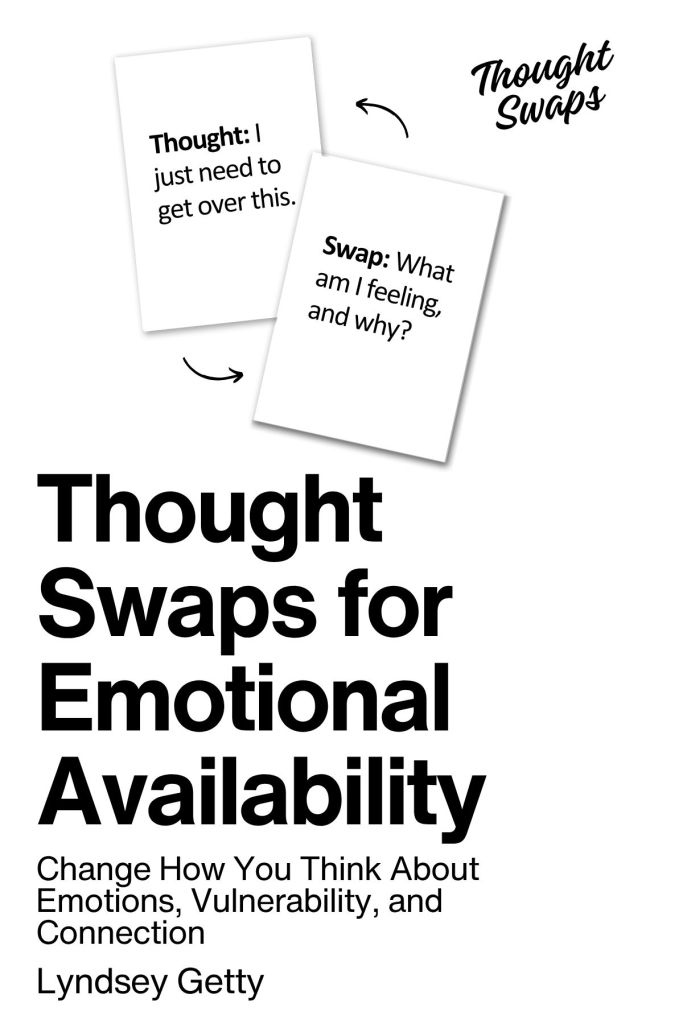
Treating thought as a skill changes how people interact with their thoughts. Instead of assuming that what they think is who they are, an individual knows they are the observer of thought and gets acclimated to identifying their thought patterns, unhelpful and helpful thoughts.
This could be as simple as someone realizing they think they can’t do something and instead of following the thought or considering it a fact, they ask themselves when they have done something difficult before, or consider what could be driving the belief they can’t (cognitive reframing).
Someone with permission based thoughts, like that one more cookie won’t hurt even though they already hit their limit for the day, would understand and might expect the permission-based thoughts while changing a habit, and know they can use the pride override technique to reinforce goals and desired behavior with pride focused thoughts.
Similar to other skill development, learning to work skillfully with your thoughts requires practice. People need opportunities to learn concepts like how their thoughts form, the cognitive model, and how to recognize their patterns, understand why they occur, try different ways of responding, and apply what they’ve learned in real situations.
When someone is having difficulty managing their thoughts, is working through trauma, or needs a compassionate listener to help them gain perspective, they can use supportive methods like therapy.
The Broader Impact
The benefits of treating thought as a fundamental life skill would extend far beyond any single area of life. Being able to understand and work with your own thoughts could affect how you understand yourself, regulate affect, make decisions, solve problems, learn, adapt to change, and respond to what happens around you. The belief in your own ability to handle what comes at you is strongly associated with motivation, resilience, and long-term well-being, and the way people think about themselves and their circumstances plays a role in that belief. Thought literacy would give people a way to examine their thoughts instead of being directed by them.
The effects would also extend into relationships and communities. Being able to distinguish an experience from the interpretation of that experience could change how people communicate, set boundaries, handle conflict, and understand other people’s perspectives. It could make it easier to recognize manipulation, question inherited beliefs, and identify patterns that might otherwise be passed from one generation to the next. Parents, teachers, partners, coworkers, and friends all influence how other people think, so improving an individual’s ability to understand thought would not necessarily stop with the individual.
Since abuse is fundamentally a mentality or mindset, thought literacy can also help those with abusive mindsets while helping those who have sustained trauma.(3)
Forward Movement
Thought is something every person uses throughout every stage of life, yet learning how to understand and manage it is largely left to chance. People shouldn’t have to wait until they are struggling with their mental health or already in crisis to encounter education about their own thoughts.
Treating thought as a fundamental life skill would give people the opportunity to develop essential life skills proactively. It would make thought something we intentionally teach, practice, and continue developing throughout life instead of something people are expected to figure out on their own.
References
- Xu, C., et al. (2020). Cognitive reappraisal and the association between perceived stress and anxiety symptoms in COVID-19 isolated people. Frontiers in Psychiatry, 11, 858. https://doi.org/10.3389/fpsyt.2020.00858
- World Health Organization. (n.d.). Mental health. World Health Organization. https://www.who.int/data/gho/data/themes/theme-details/GHO/mental-health
- Pilkington, P. D., & Karantzas, G. C. (2026). Cognitive factors associated with intimate partner and sexual violence perpetration and victimisation: A systematic review of current research. Current Opinion in Psychology, 68, 102246. https://doi.org/10.1016/j.copsyc.2025.102246










Thoughts?