
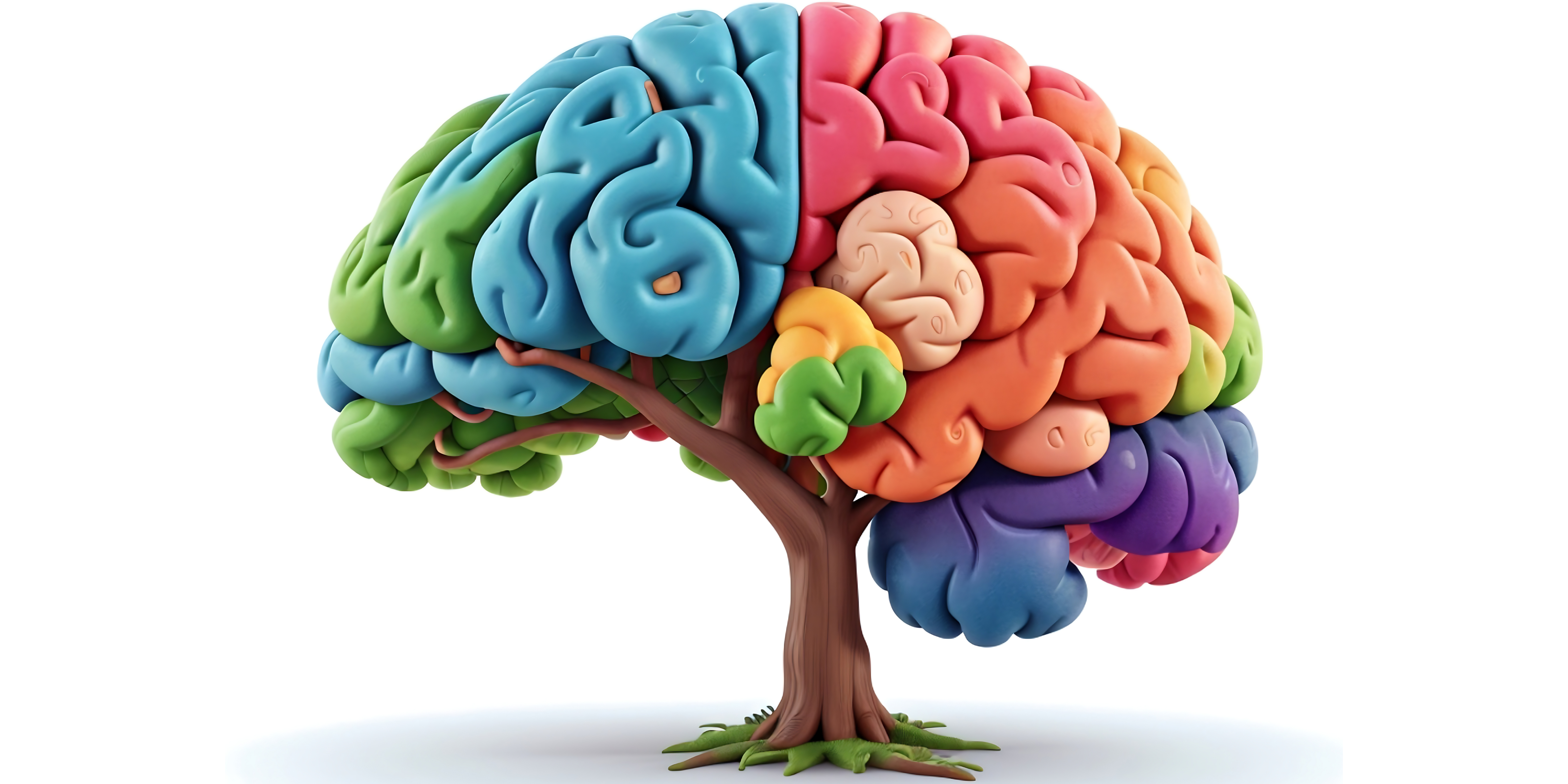

We all use thoughts to make sense of the world. They help us interpret experiences, understand ourselves, form connections, make decisions, and navigate everyday life.
Thoughts are often automatic, with no conscious effort. Most of us assume that because we have thoughts, we know how to think.
But having thoughts and knowing how to work with them are two different things. And to make sure we’re living to our true potential, thinking is something we need to learn to do more intentionally.
Understanding the difference between thoughts and thinking is an important first step toward developing this ability.
What Are Thoughts?
Thoughts are how we communicate with ourselves. They include the ideas, interpretations, beliefs, assumptions, memories, and internal messages that help us make sense of our experiences and the world around us.
Think of them like data or information that influences how you interpret situations, your emotions, and what you think about yourself, the world, and others.
Some thoughts are intentional, like consciously considering an idea, working through a problem, or thinking about something you need to do. Other thoughts are automatic and happen without any deliberate effort or focus on creating them.
What Is Thinking?
A thought is the experience of a mental message; thinking is the process of engaging with that message. While you can have thoughts automatically, thinking involves evaluating, questioning, and deciding what to make of (or do with) them.
Consider thinking like the processing of data or information that is your thoughts. You’re engaging and working with the thoughts you have so you can make connections and decisions about them instead of automatically accepting them as facts.
Similar to thoughts, thinking can be intentional or automatic. Sometimes you consciously direct your thinking toward a particular goal. Other times, you follow familiar patterns without realizing it.
Importantly, thinking is not limited to analyzing information or solving problems. It also includes how you interpret your experiences, evaluate your perspectives, process difficult thoughts, and intentionally develop more helpful ways of thinking.
Having Thoughts Doesn’t Mean Knowing How to Think
A common misconception is that because you have thoughts, you automatically know how to think. But having thoughts is an automatic part of being human. Knowing how to recognize, understand, evaluate, and intentionally work with those thoughts is a skill that needs to be developed.
Consider what happens when you make a mistake. You might automatically think, “I’m terrible at this.” That thought can influence how you feel and what you do next. You might become discouraged, question your abilities, or avoid trying again.
But you don’t have to accept that initial thought as an accurate reflection of the situation.
You can recognize it, examine what led you to that conclusion, consider whether it’s fair or accurate, and find a more helpful perspective.
For example, you might recognize that making a mistake doesn’t mean you’re incapable. It may simply mean you need more practice, a different approach, or additional information.
The circumstances haven’t changed, but the way you’re working with your thoughts has.
Thinking Is a Skill That Can Be Developed
Just like other abilities, thinking can be developed through learning and practice.
You can learn to recognize your thought patterns, understand what’s influencing them, evaluate your interpretations, challenge assumptions, find alternative perspectives, and direct your thinking toward more productive outcomes.
These abilities make a meaningful difference in how you experience and navigate life. For example, developing thinking skills can help you:
- Recognize when you’re caught in unhelpful thought patterns
- Understand why certain thoughts keep recurring
- Distinguish facts from assumptions and interpretations
- Recognize how your environment and experiences influence your thinking
- Evaluate whether your thoughts are accurate and helpful
- Generate alternative perspectives and more constructive ways of thinking
- Work through persistent thoughts instead of getting stuck in them
- Use your thinking to support your decisions, goals, and well-being
The goal isn’t to control every thought or think positively all the time. It’s to become more skilled at recognizing, understanding, and working with your thoughts.
What Is Thought Literacy?
Thought literacy is the skill set for recognizing, understanding, and working with your thoughts so you can recognize how you’re thinking, determine if your thinking is serving you, and use your thoughts to better navigate experiences, challenges, decisions, and goals.
It provides a framework for developing these abilities through two foundational pillars:
- Thought Awareness involves recognizing your thoughts and understanding the patterns, influences, and cognitive concepts related to them.
- Thought Management involves intentionally working with your thoughts, deciding how to engage with them, and choosing how to respond to the environments that influence your thinking.
Together, these pillars provide the foundation for developing a healthy and intentional relationship with your thoughts, and include concepts, methods, and techniques, to make working skillfully with thoughts more accessible and practical.
We can’t always choose which thoughts enter our minds, but we can develop the skills to work with them. Because thinking isn’t just something that happens to us. It’s also something we can learn to do more skillfully.









Thoughts?